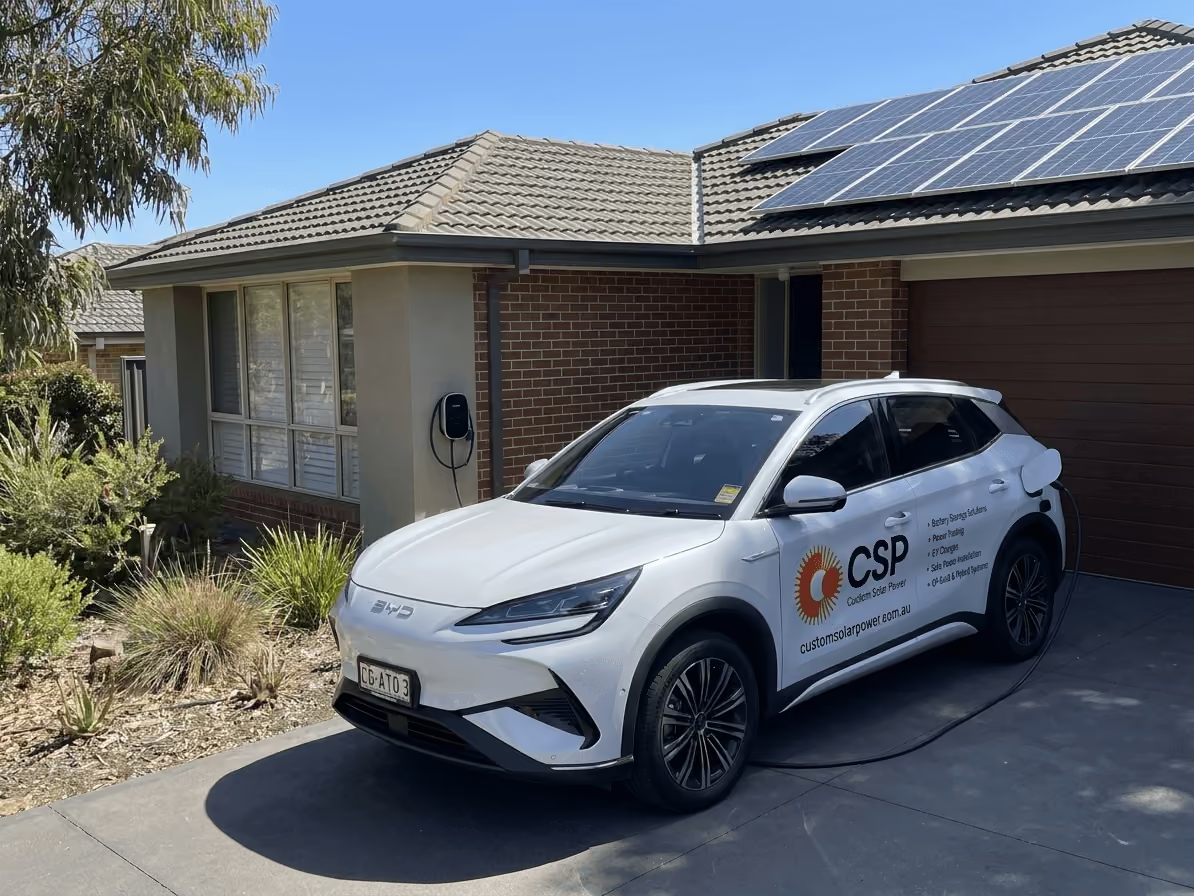
Buying an electric vehicle is one of the biggest steps you can take toward cutting your running costs and your emissions. But how you charge it makes an enormous difference to how much you actually save. Charge it the wrong way, and you can quietly undo a lot of the benefit. This is where smart EV charging comes in.
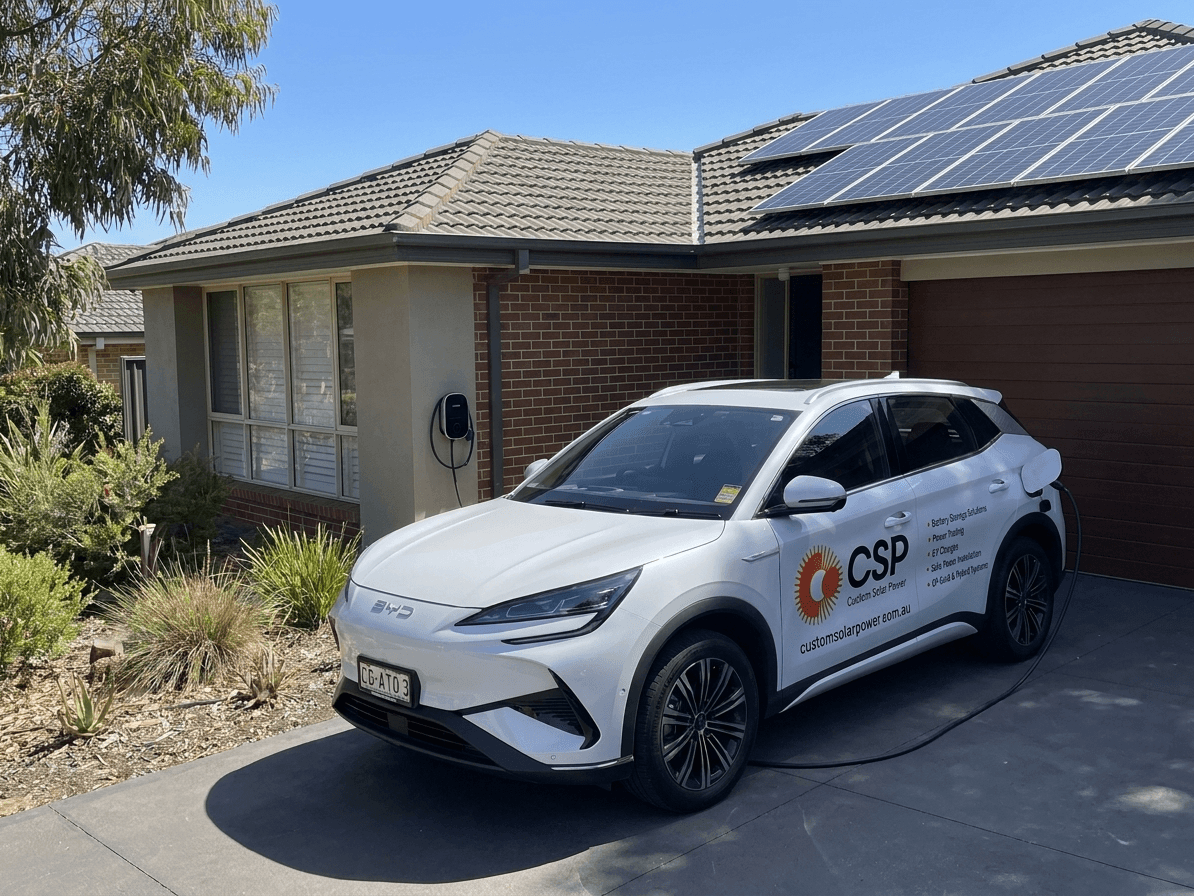
The simplest approach is to plug your EV in when you get home and let it charge. The trouble is, early evening is exactly when grid electricity is most expensive and most in demand. You're filling your car at peak prices, drawing heavily from the grid at the worst possible time.
If you have solar, there's a second problem: by evening, your panels have stopped producing. So that convenient after-work charge is coming entirely from the grid, not from your own free solar energy.
Smart EV charging is about when and from where your car draws its power. Instead of charging blindly, a smart setup coordinates your EV with the rest of your energy system so it charges at the cheapest, cleanest times. That can mean:
The result is a car that's filled up largely or wholly on your own generated and stored power, at the lowest possible cost.
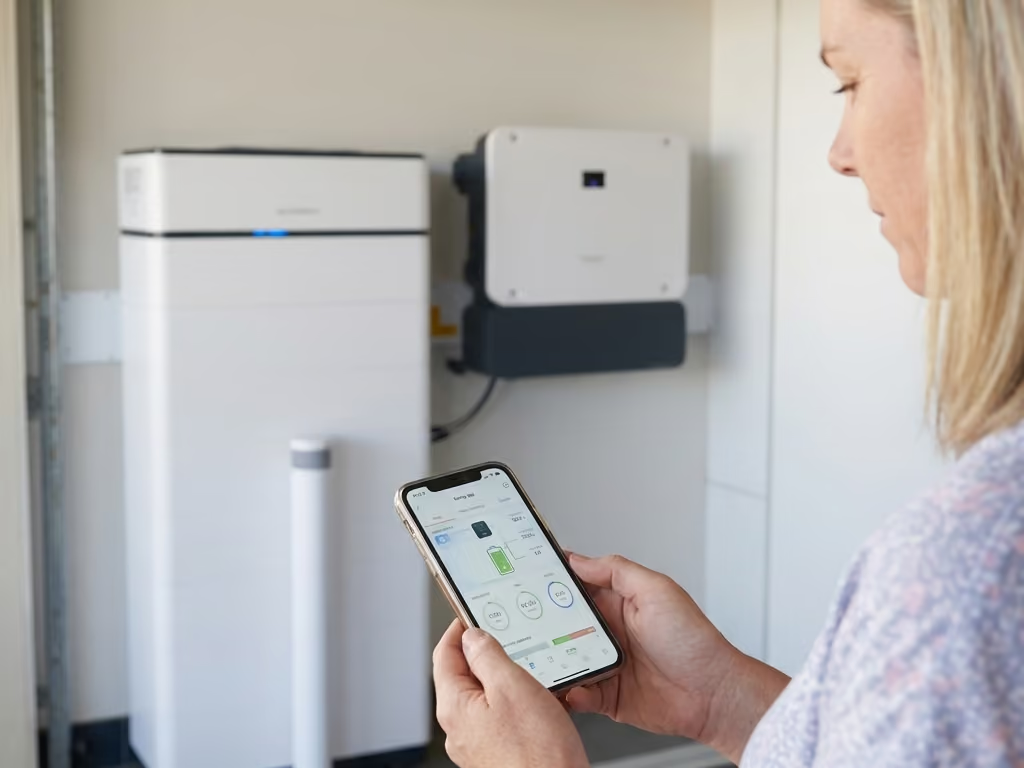
A charger bolted to the wall in isolation can't do any of this. It has no awareness of your solar, your battery or energy prices — it just adds load whenever you plug in. Smart charging only works when the charger is properly integrated with the rest of your energy system.
That's the advantage of having one company design and install your whole setup. Because we design, install and manage your solar, battery and charging together, we can set your charger up to prioritise your own energy and charge at the right times — rather than treating it as a separate appliance.
Do I need three-phase power? Not always. Single-phase charging suits many households comfortably. If you're charging fast or running other large loads at the same time, three-phase may be worth considering. It depends on your home and how you drive.
Can I add charging later? Yes — and if you tell us early, we can design your solar and battery system with EV charging in mind, so adding it down the track is straightforward rather than a retrofit.
What about a business fleet? The same principles scale up. Smart charging for a workplace or fleet is about managing load and cost across multiple vehicles, which needs proper design.
An EV is only as economical as the energy you put into it. Smart charging — integrated with your solar and battery — turns your car into something you run largely on your own sunshine, instead of an expensive new load on your evening power bill. If you're going electric, it's worth setting up properly from the start.
Thinking about an EV charger? Book your free 15-minute review or call our office.