It's the question we hear more than any other: is a home battery actually worth the money? The honest answer is that it depends on your household — but the case for batteries has grown stronger, not weaker, in 2026. Here's how to think it through.
For years, solar was all about the feed-in tariff — the credit you earn for exporting surplus power to the grid. Those rates have fallen significantly. In regional Queensland the rate dropped to around 6 cents per kilowatt-hour, and in South-East Queensland there's no regulated minimum at all — retailers set their own rates in a competitive market.
Meanwhile, the price you pay for grid electricity keeps climbing, often sitting around 30 cents or more per kilowatt-hour. That gap is the whole story. Exporting your solar for a handful of cents, then buying it back in the evening for four or five times as much, no longer makes sense. A battery lets you keep and use your own energy instead.
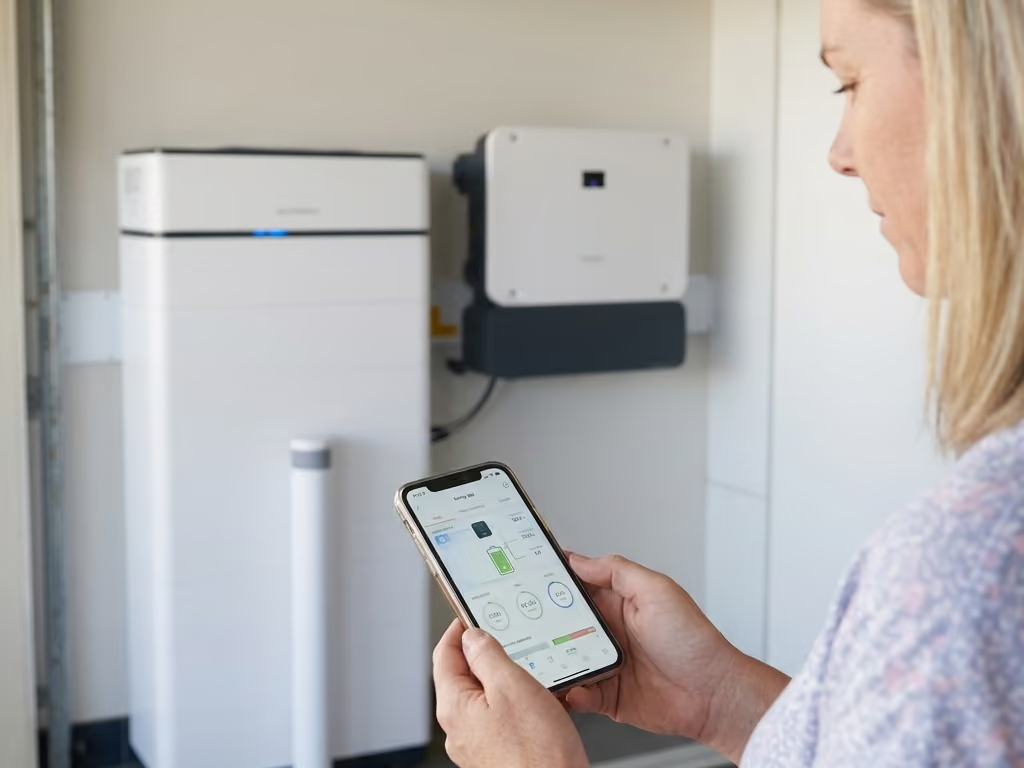
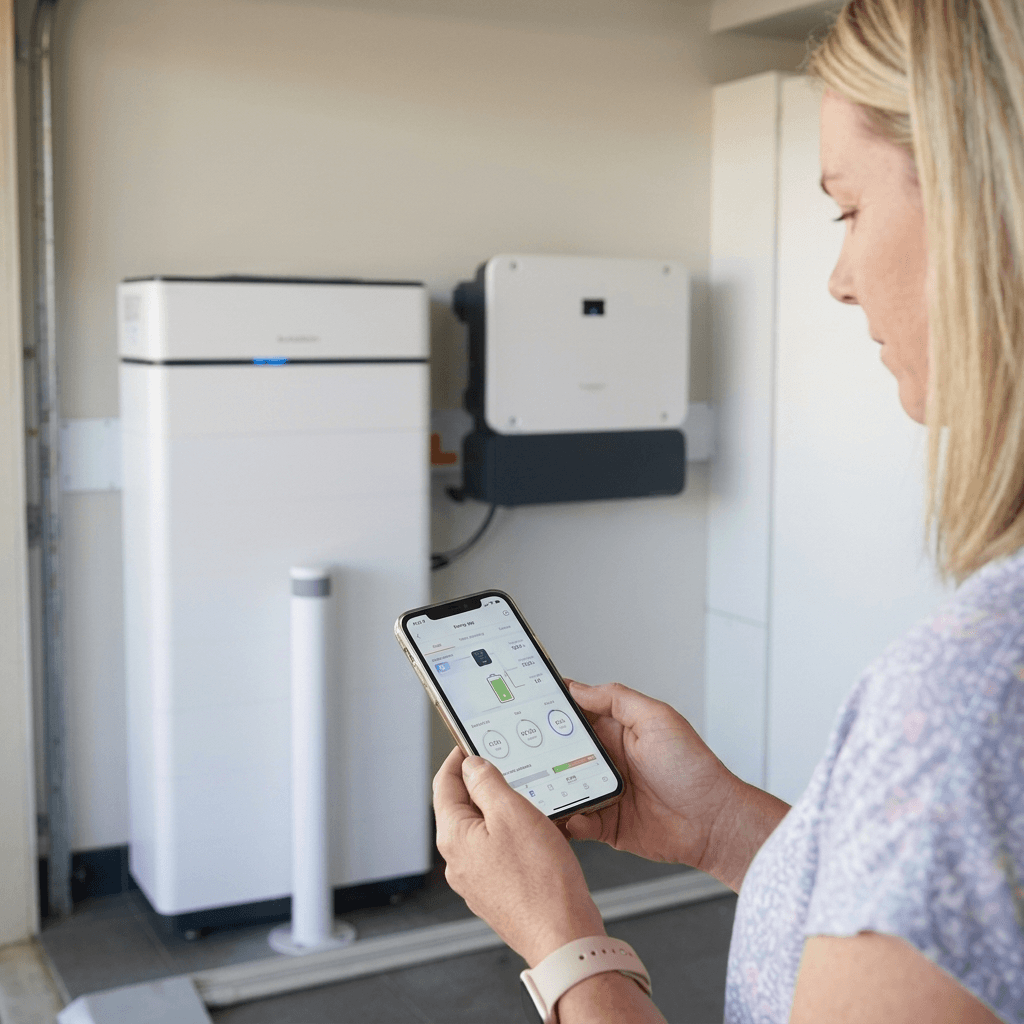
The core benefit is simple: a battery stores your daytime solar so you can use it in the evening, when your household draws the most power and grid electricity is most expensive. Instead of buying at peak rates after sunset, you run on energy you generated for free earlier in the day.
That self-consumption is where the real value now lies. Every kilowatt-hour you use from your battery is a kilowatt-hour you didn't have to buy at 30-plus cents.
We'd rather give you a straight answer than a sales pitch, so here's the flip side. If you use very little power in the evening, or you're rarely home, a battery may take longer to pay for itself. Every household is different, and the right recommendation depends on your actual usage patterns — not a generic rule of thumb.
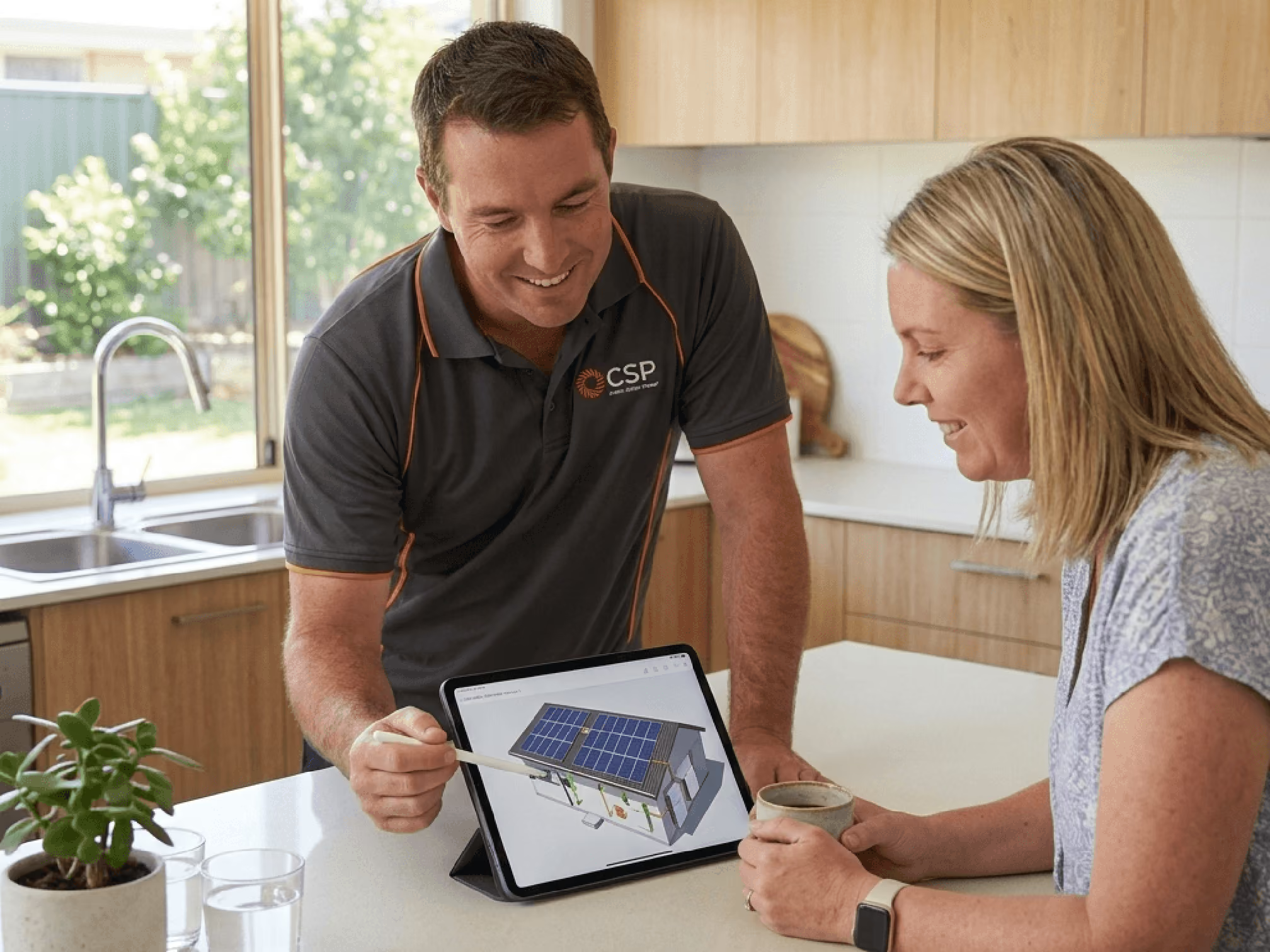
That's exactly why we design around your lifestyle rather than selling a standard package. During a review, we look at when and how much energy you use, then give you honest figures for your situation.
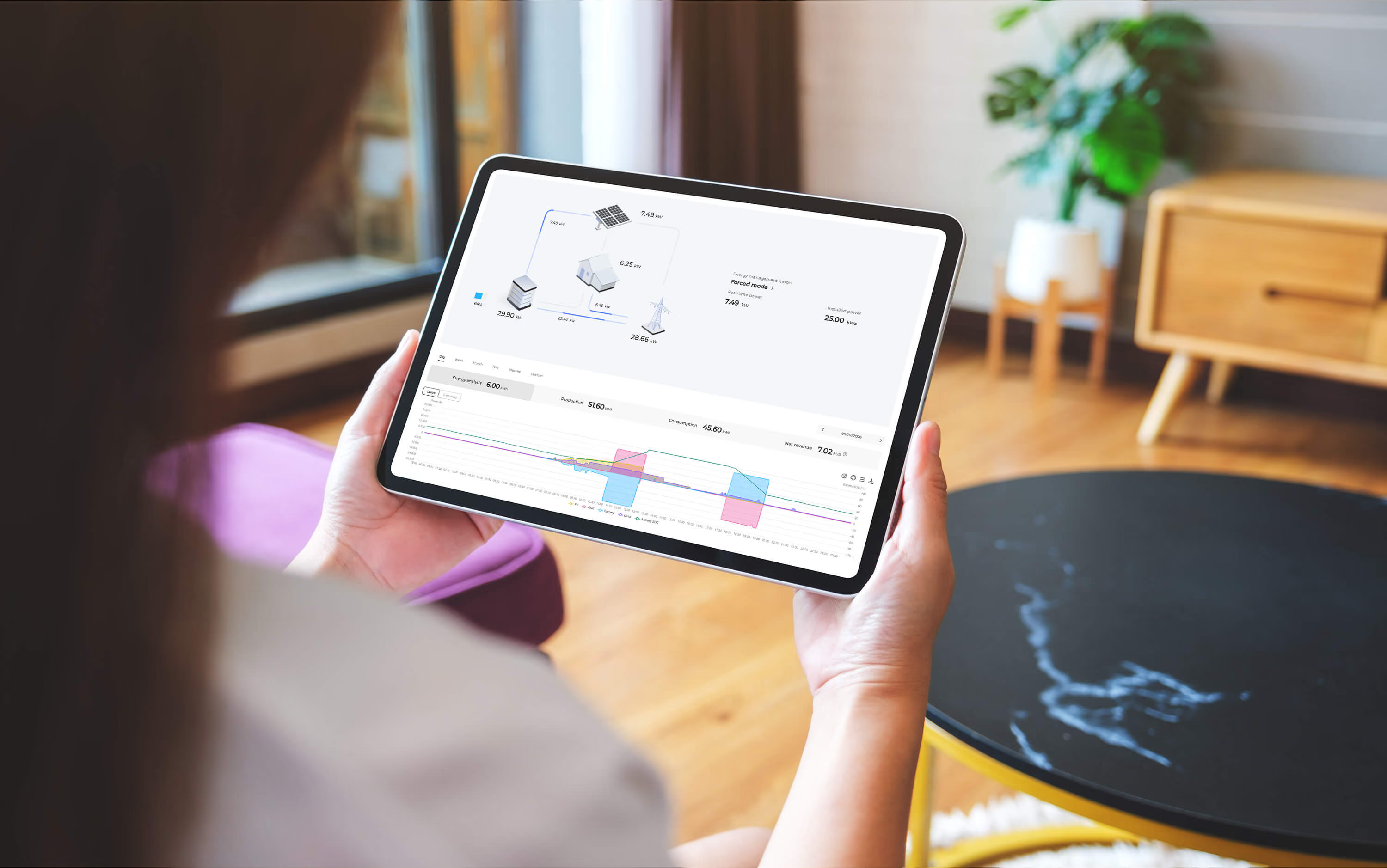
A battery on its own already saves you money. If you want it to do more, our optional Power Trader system can actively manage it against live energy prices — but the core value of storing and using your own energy is there from day one, whether or not you add that layer.
In 2026, with feed-in tariffs down and grid prices up, a well-sized home battery is increasingly one of the biggest levers you can pull on your power bill. Whether it's right for your home comes down to how you use energy — and that's a conversation worth having.
Wondering if a battery suits your home? Book your free 15-minute review or call our office.