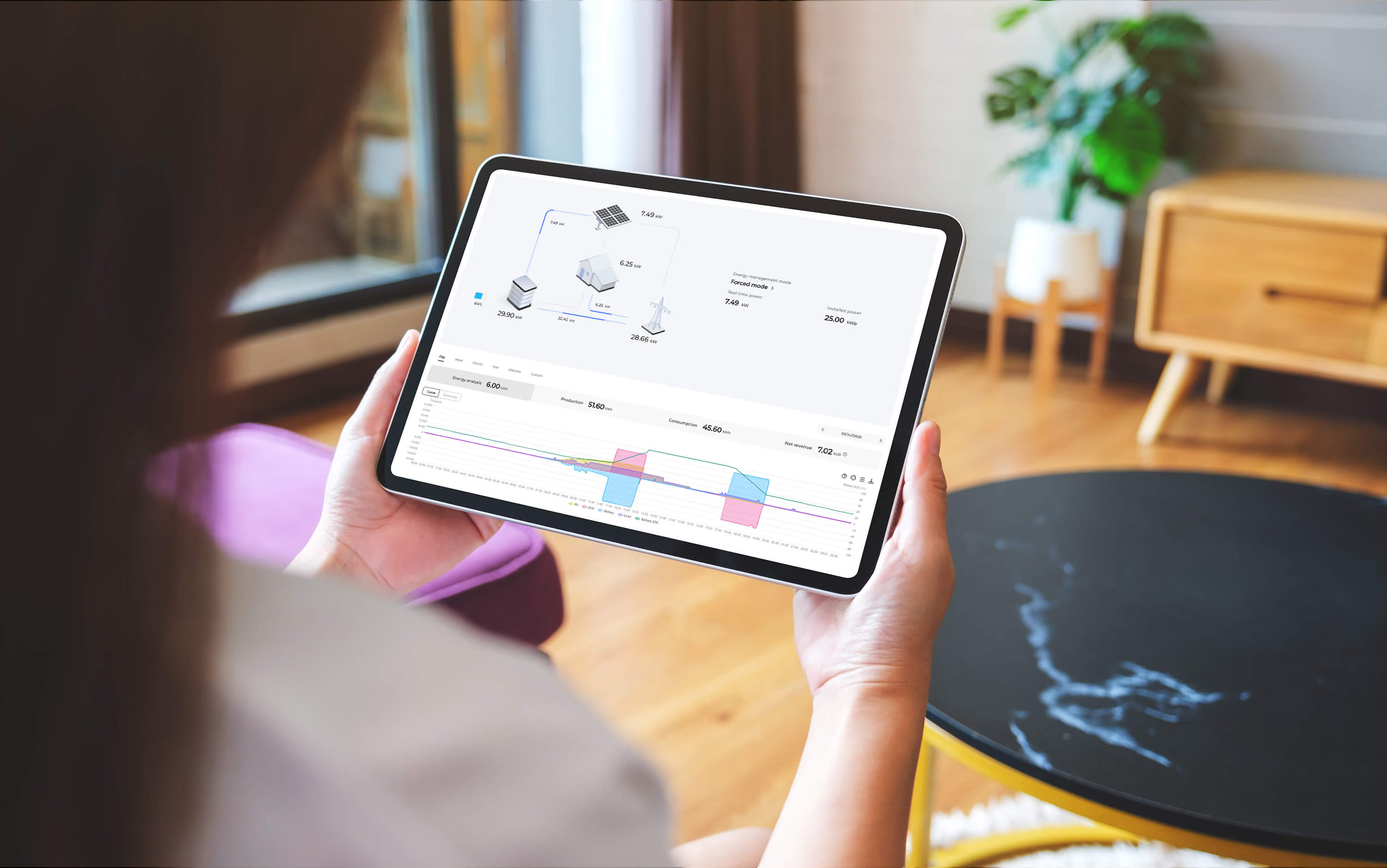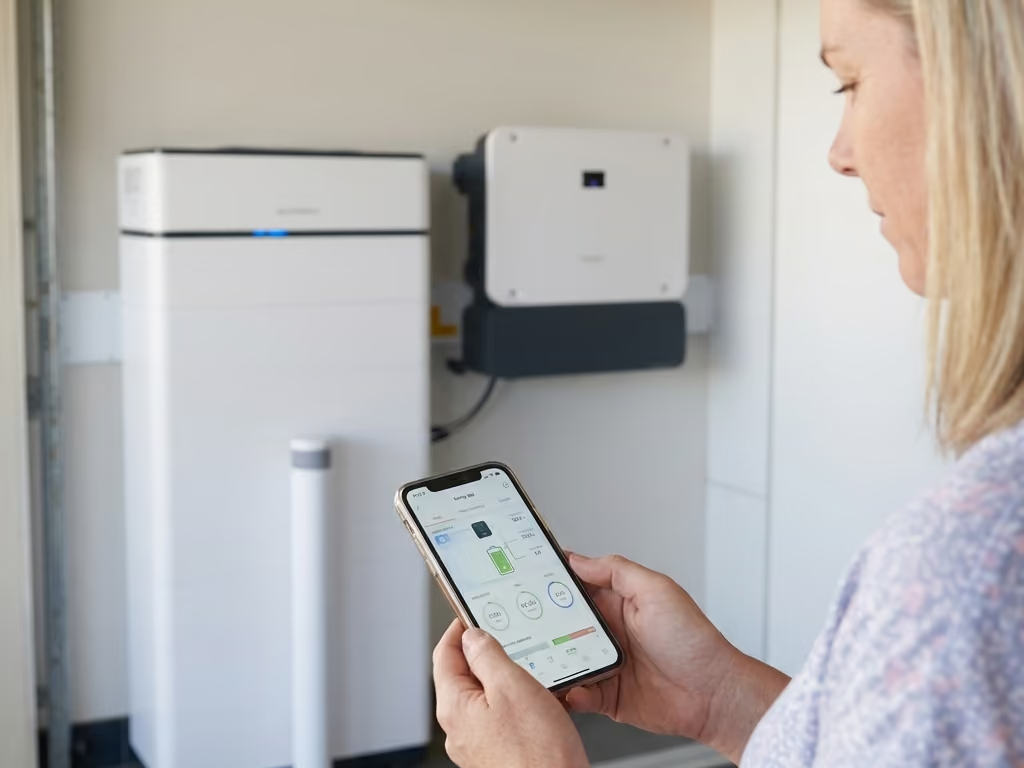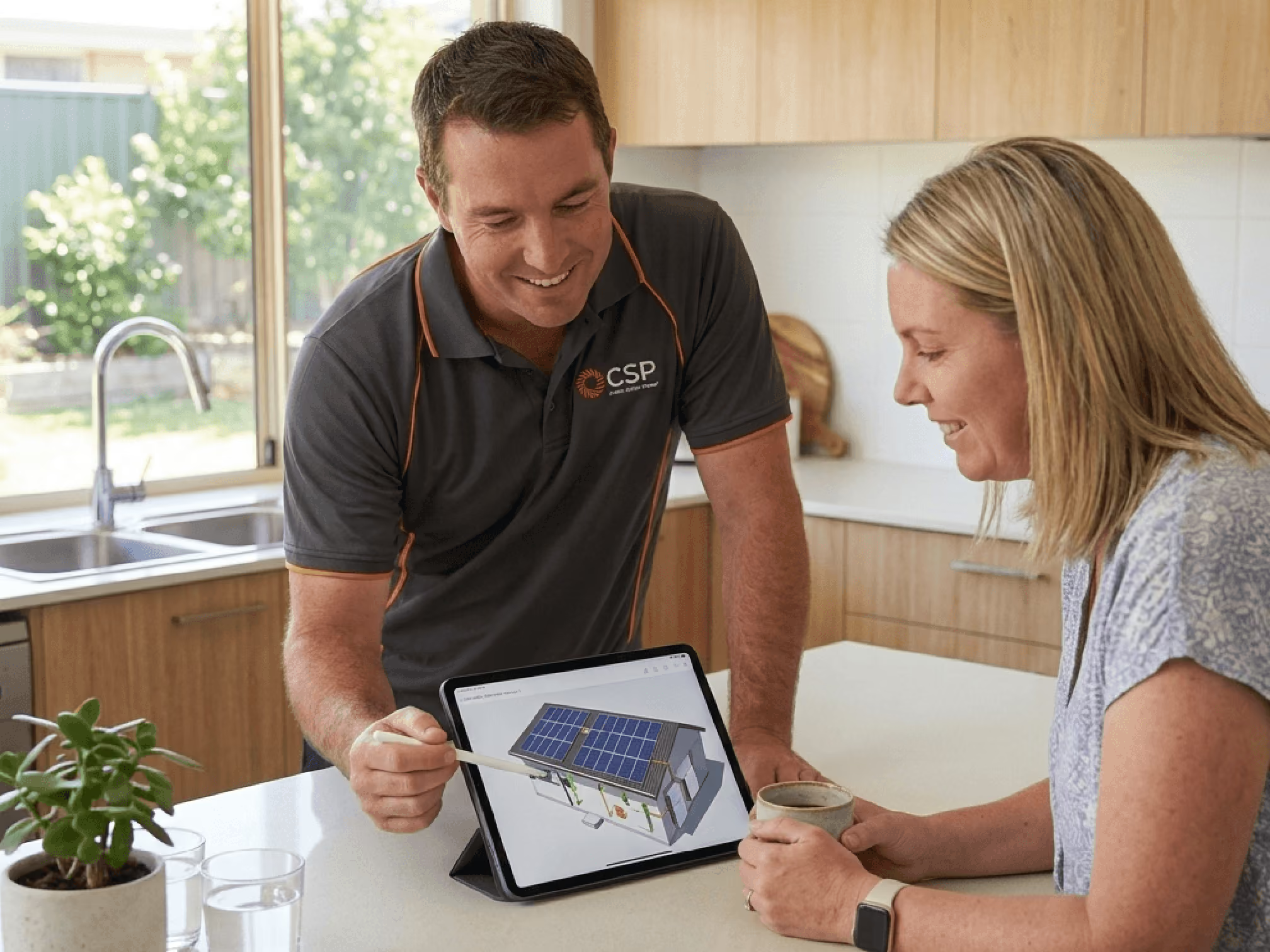
If you've got solar and a battery, you already know the basics: the sun charges your battery by day, and you draw on it at night. But most systems stop there — running on a fixed schedule that ignores one crucial fact. Energy isn't worth the same amount all day. Power trading is about using that fact to your advantage.
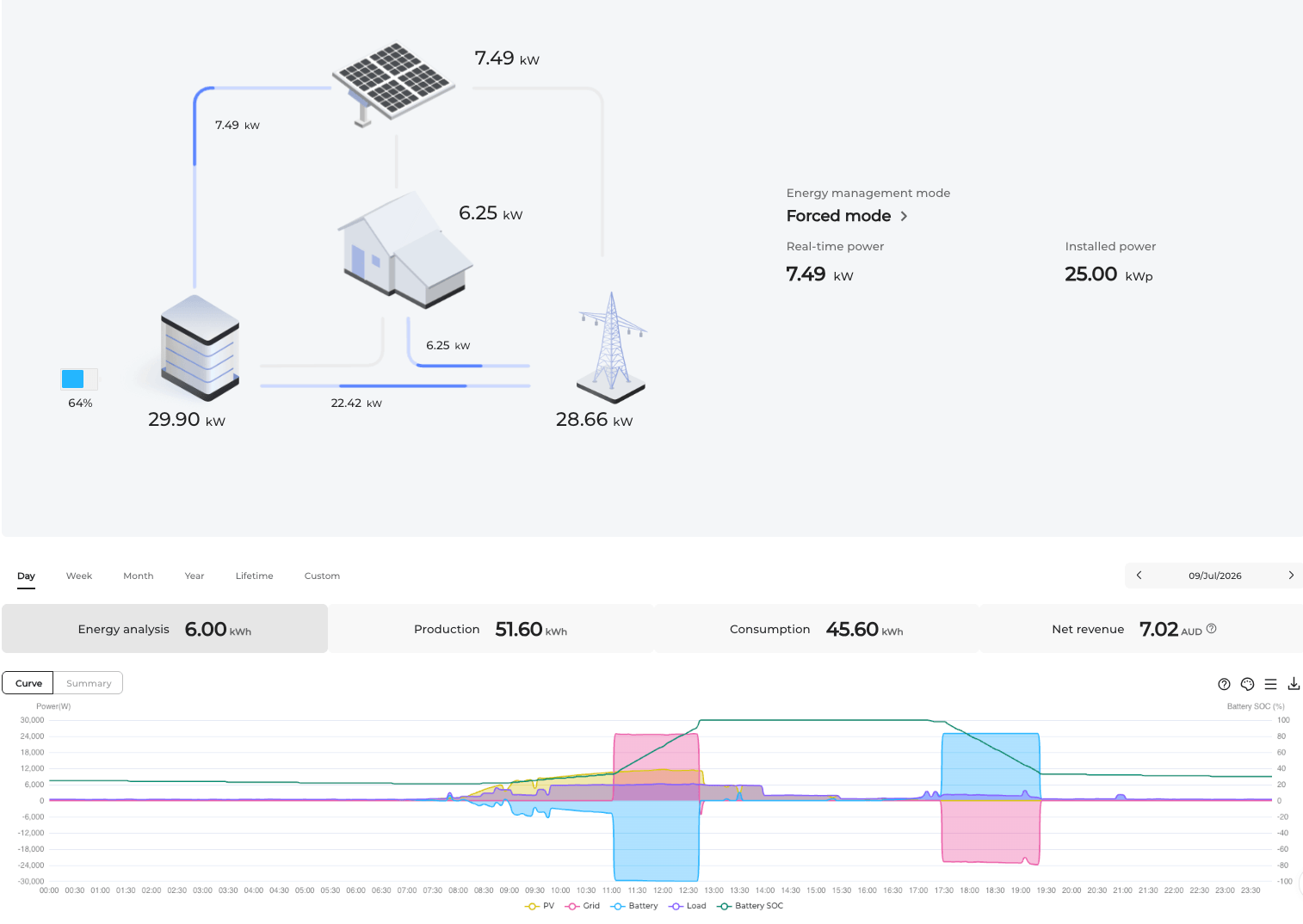
Electricity is bought and sold on a wholesale market, and the price shifts constantly throughout the day. When lots of solar is flooding the grid at midday, energy is cheap. When everyone gets home and switches on the aircon, oven and lights in the early evening, demand spikes and the price climbs.
A standard battery is blind to all of this. It charges and discharges on a timer, regardless of whether energy is worth 5 cents or 50 cents at that moment. That means it often exports your stored power when it's worth the least — leaving real value on the table.
Power trading is simply the practice of timing when you charge, store, use and export your energy to capture the most value. In practice that means:
Done manually, this would be a full-time job — nobody can watch live energy prices all day and respond every few minutes. That's why it needs to be automated.
This is exactly what our optional Power Trader home energy system does. It continuously reads live and forecast energy prices, your solar production and your household usage, then decides the smartest action at every interval — automatically. You don't lift a finger, and you don't need to understand the market. The system handles the timing so you capture value a static battery would miss.
Automation is only half the equation, though. It only pays off when it's pointed at the right energy plan — one whose rates and feed-in windows suit your system. Matching you to the right retailer and then optimising against it is what makes power trading genuinely worthwhile.
Not necessarily, and we'll always be straight about that. The value you capture depends on your system, your usage and market conditions, which have their quieter periods. Power trading is an optional add-on for customers who want their battery to work as hard as possible — not something every household needs. But for the right home, it's the difference between a battery that simply sits there and one that actively earns.
Power trading isn't about gaming the system or taking risks. It's about intelligent timing — making sure your energy is used and sold when it's worth the most, automatically. If you're about to invest in solar and a battery, it's worth understanding how much more it could be doing.
Curious whether power trading suits your home? Book your free 15-minute review or call our office.